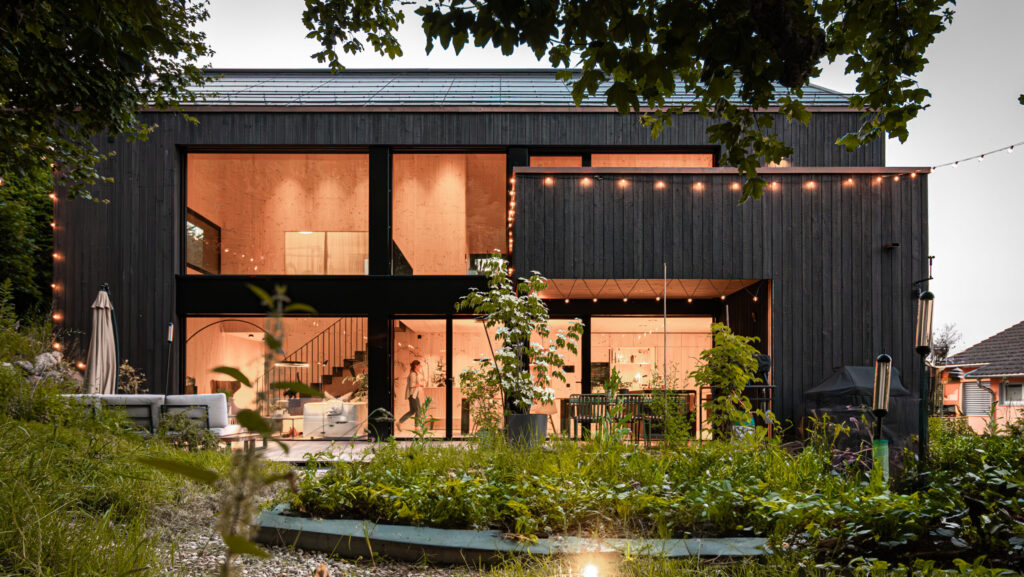
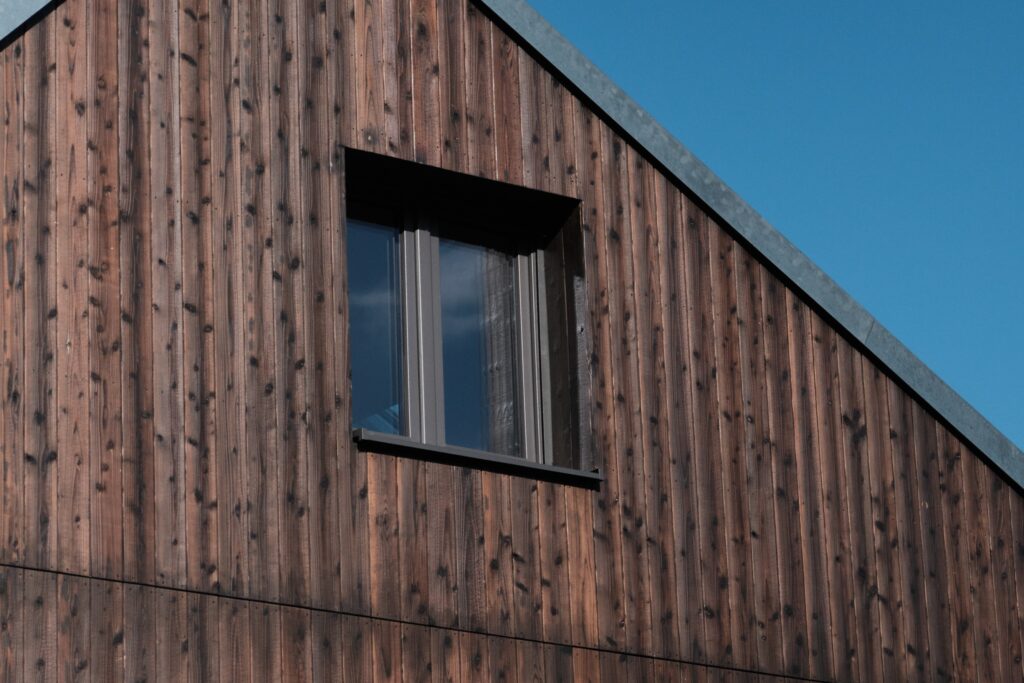
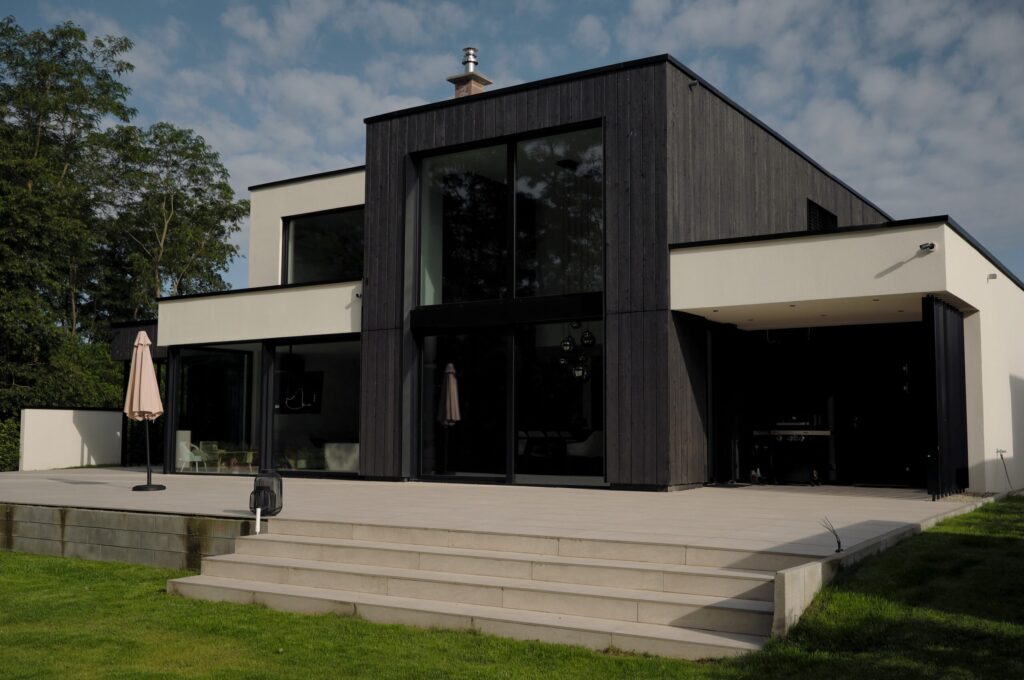
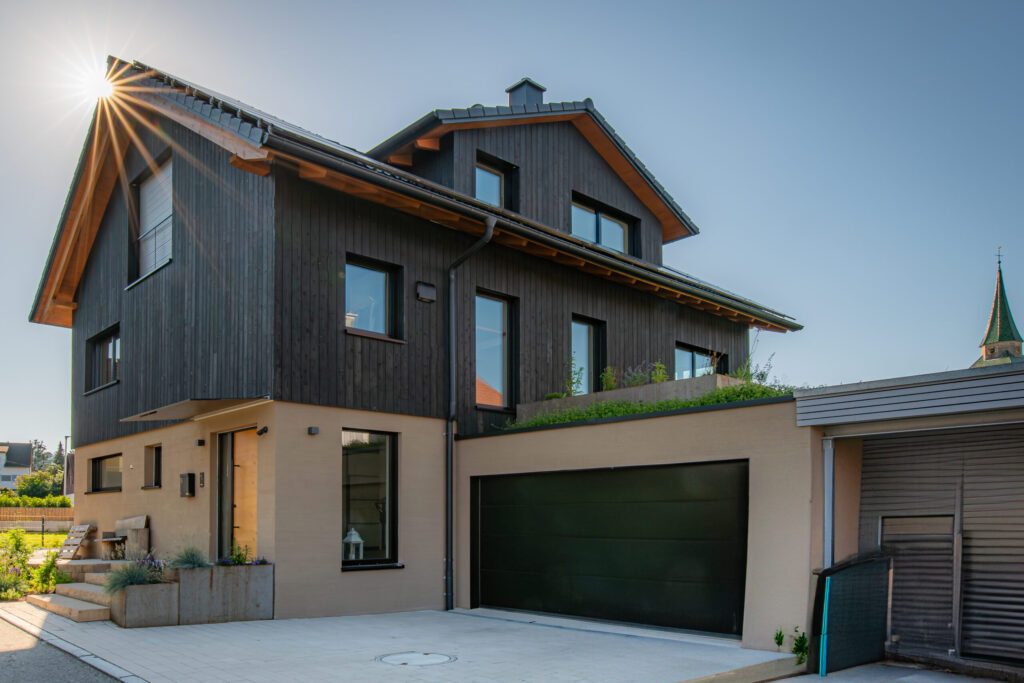
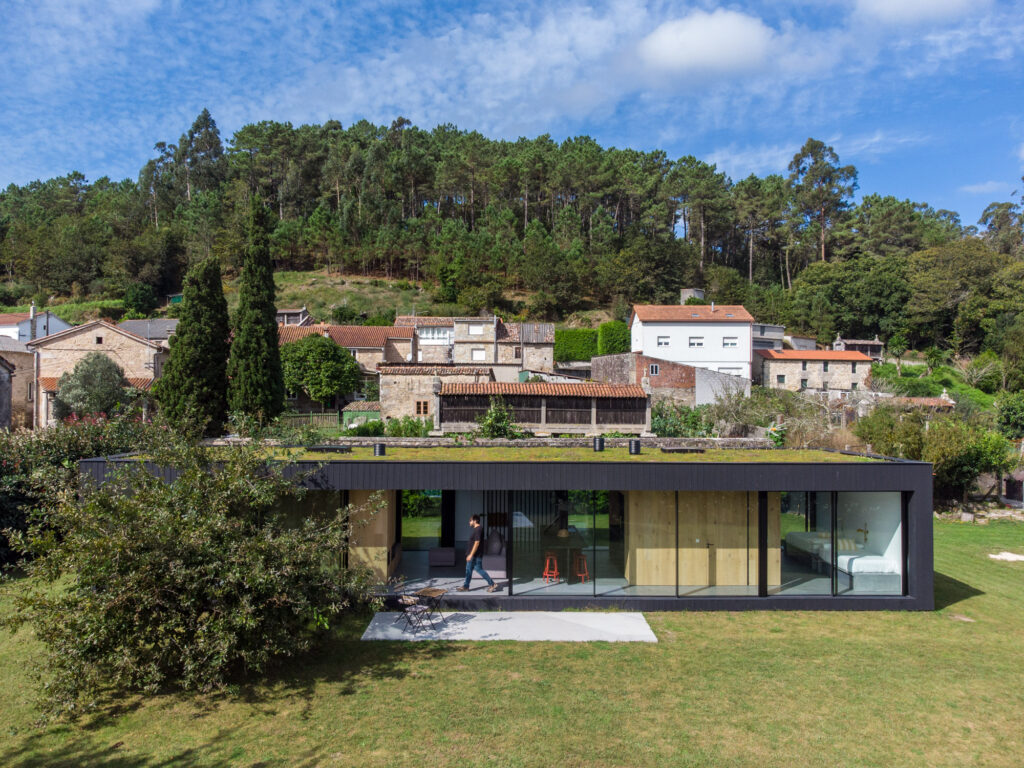
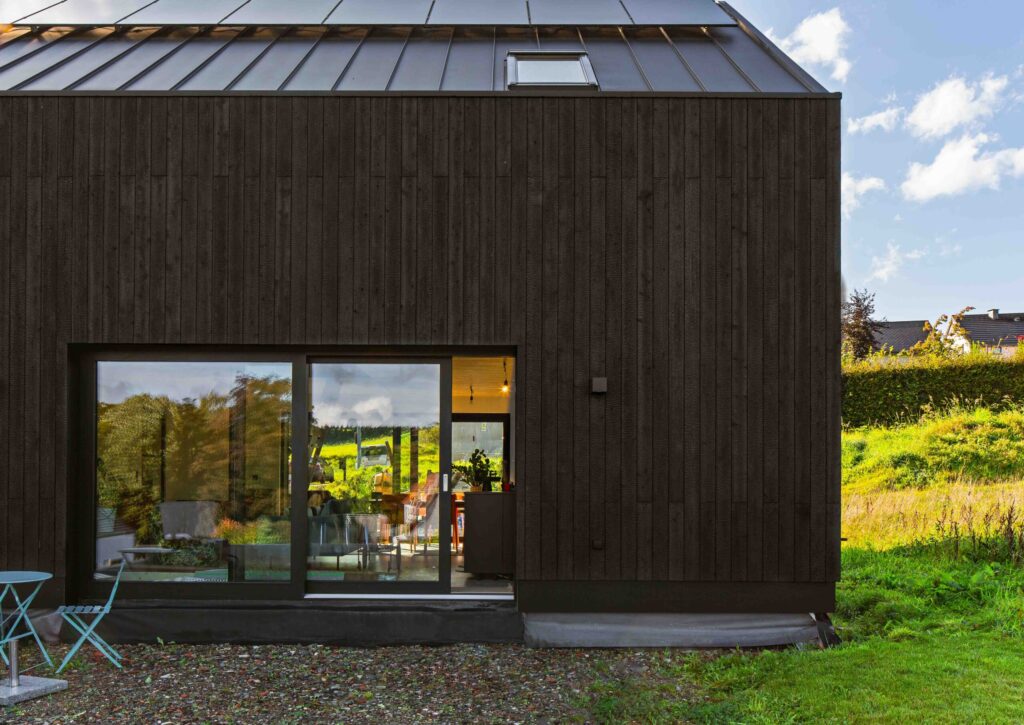
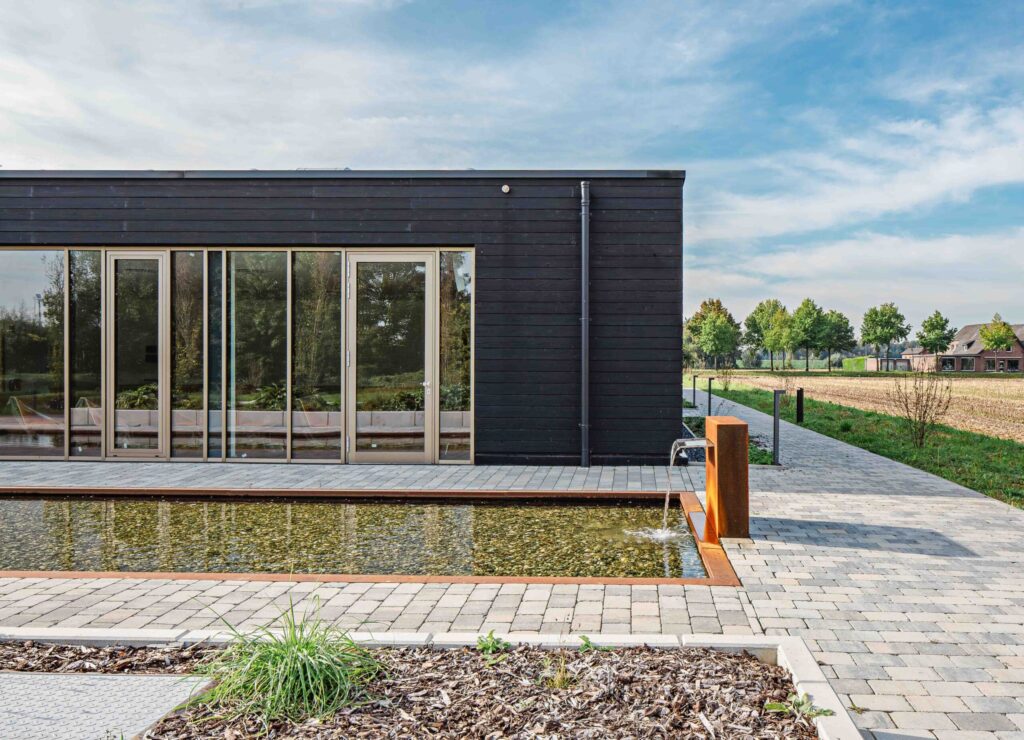
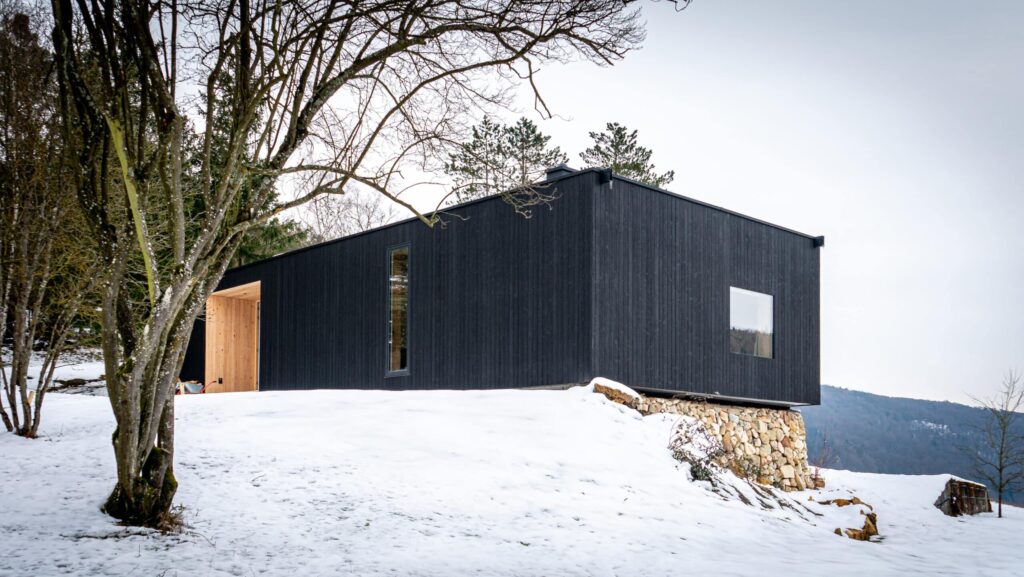
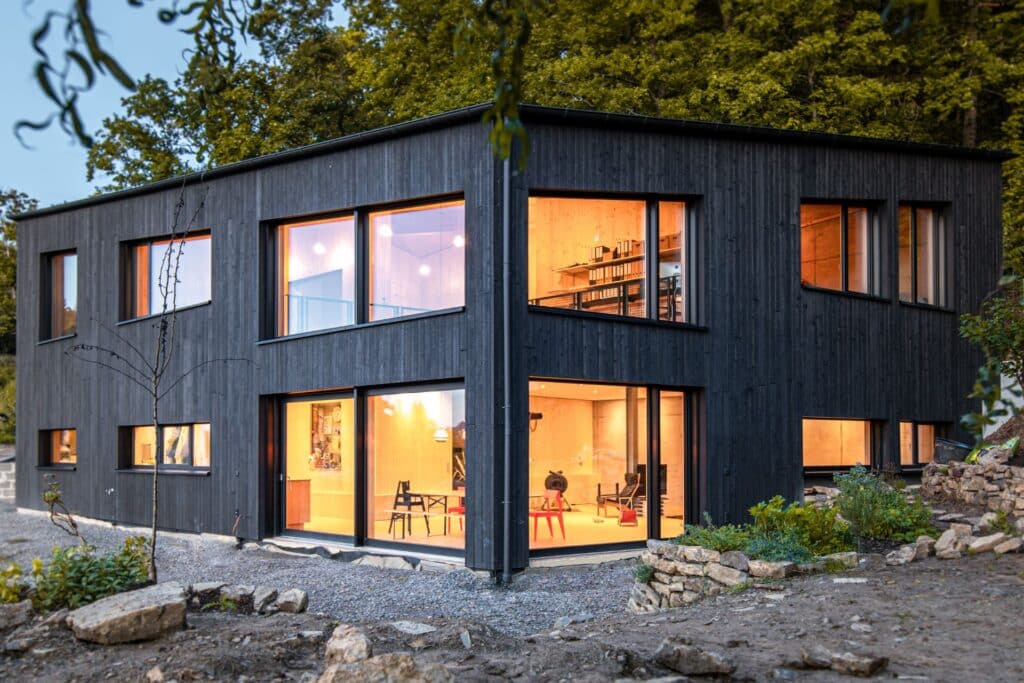
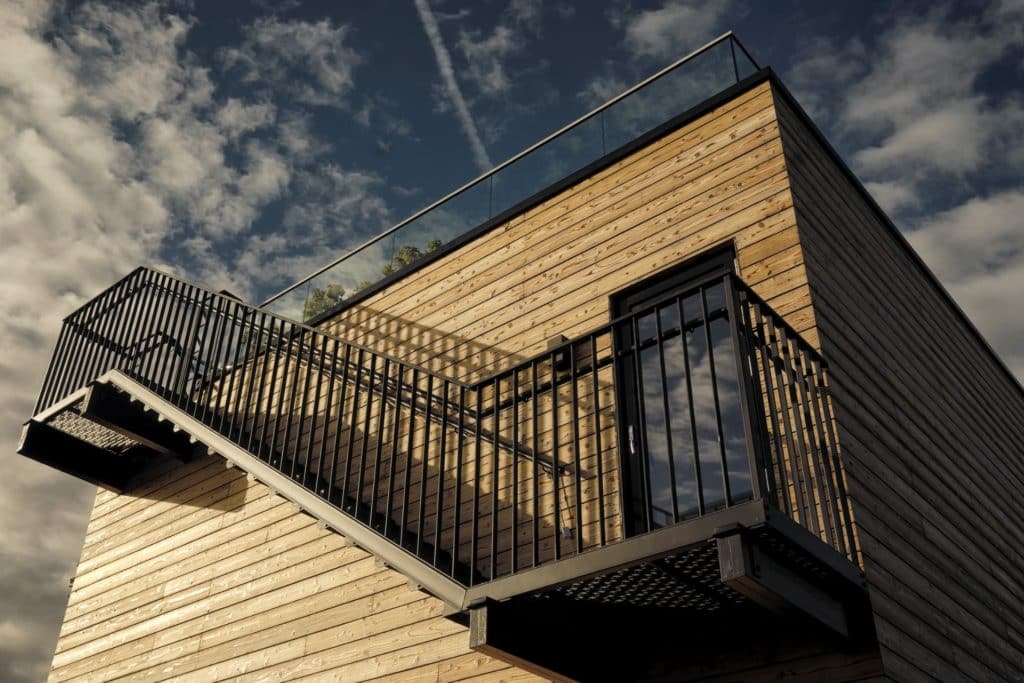
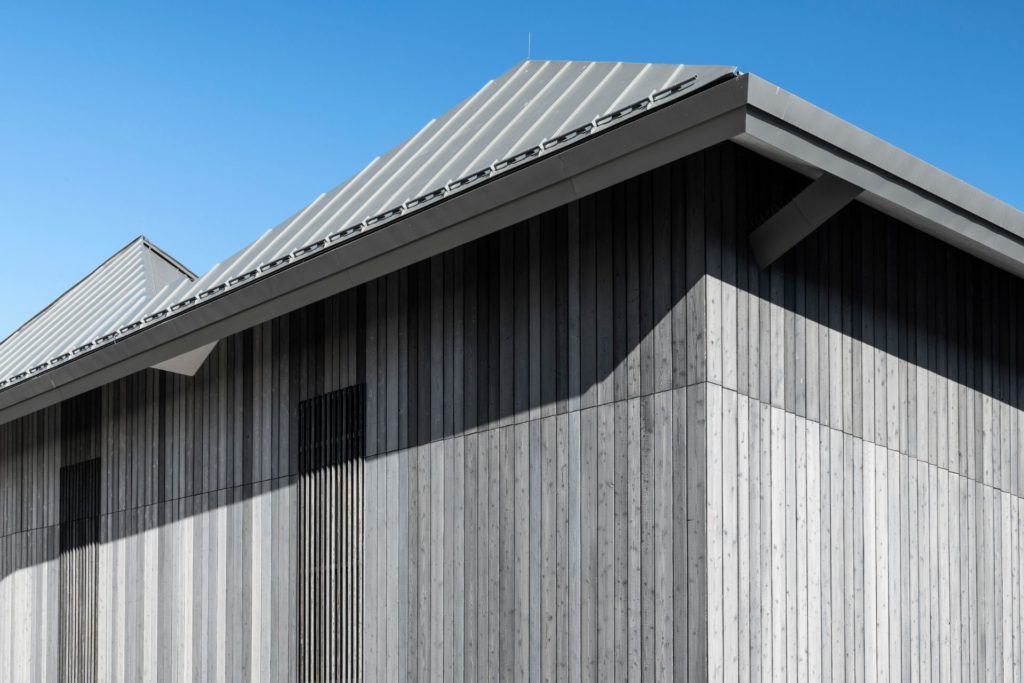
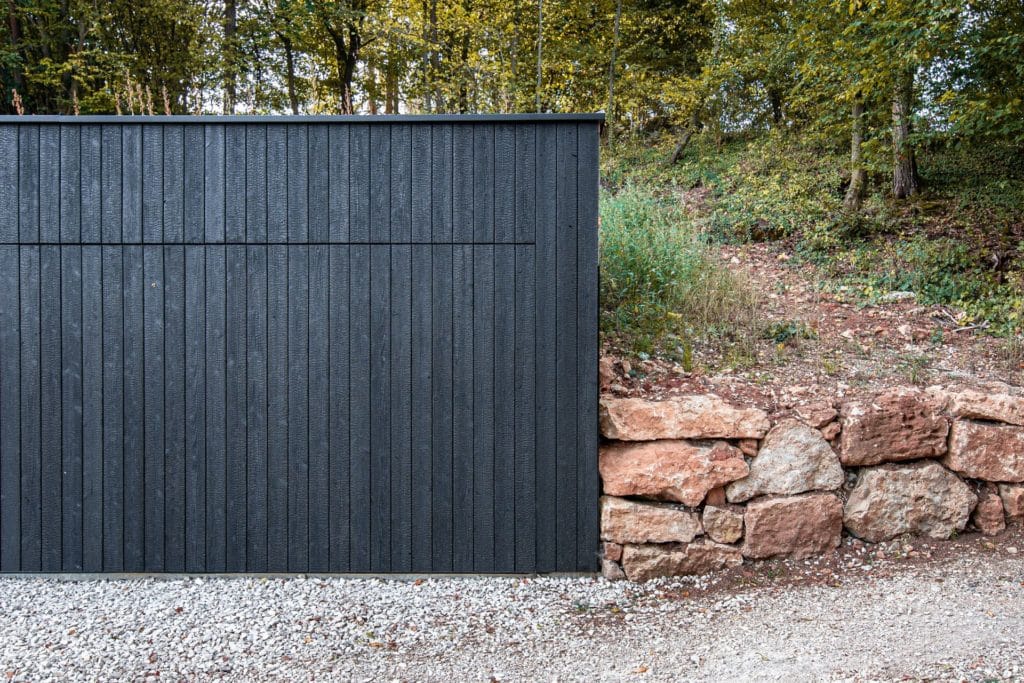
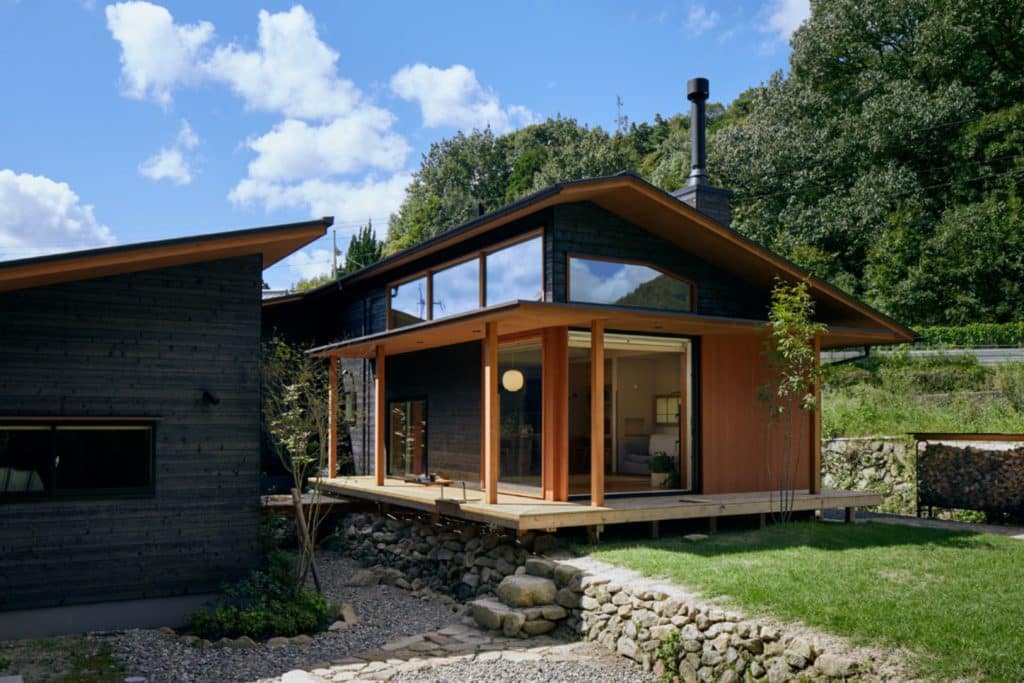
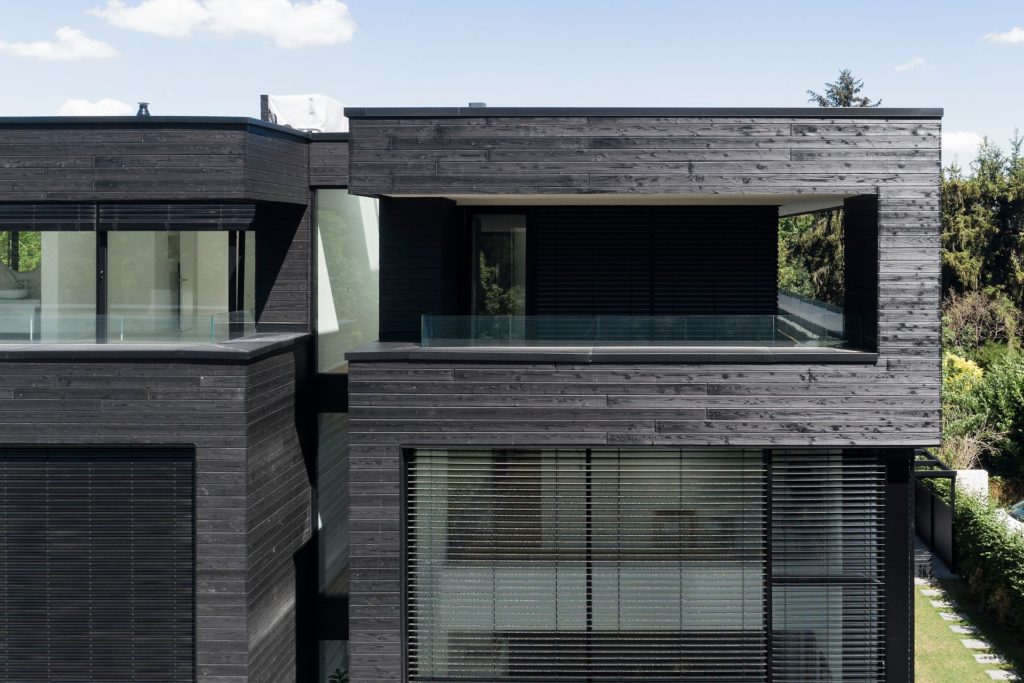
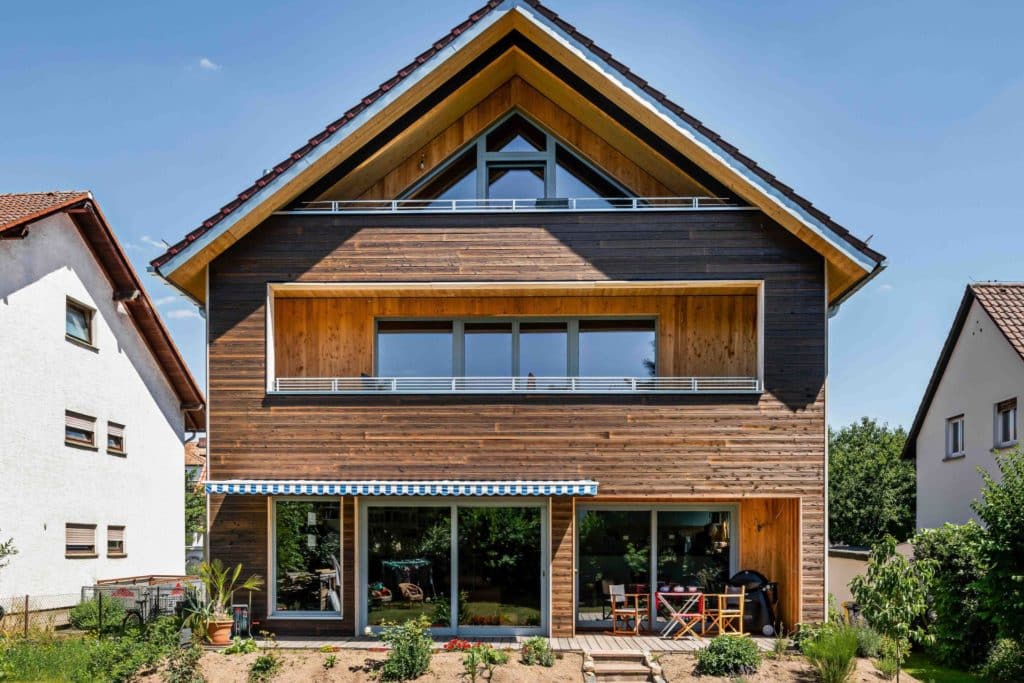
Charred wood siding
Yakisugi Wood from Japan
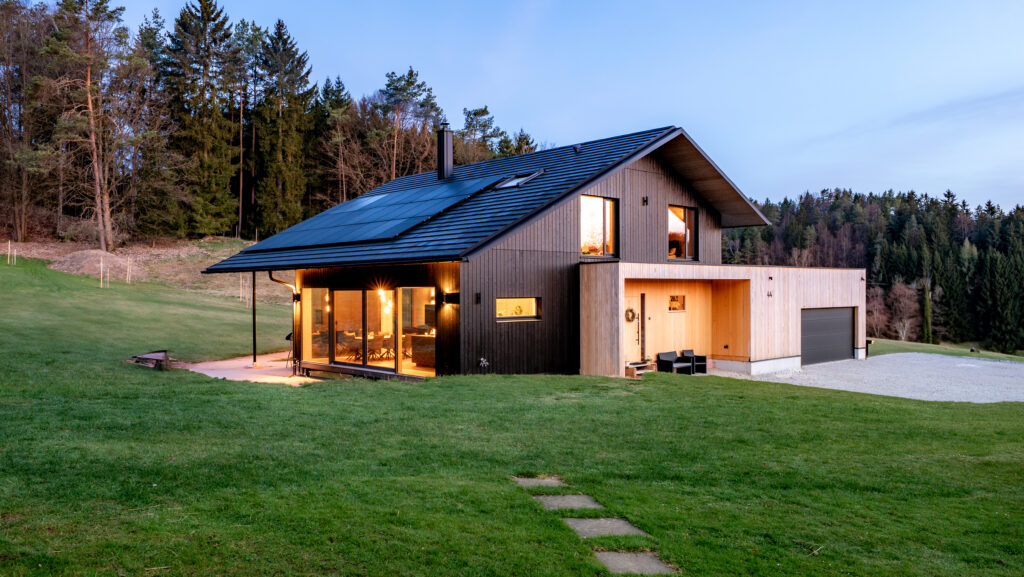
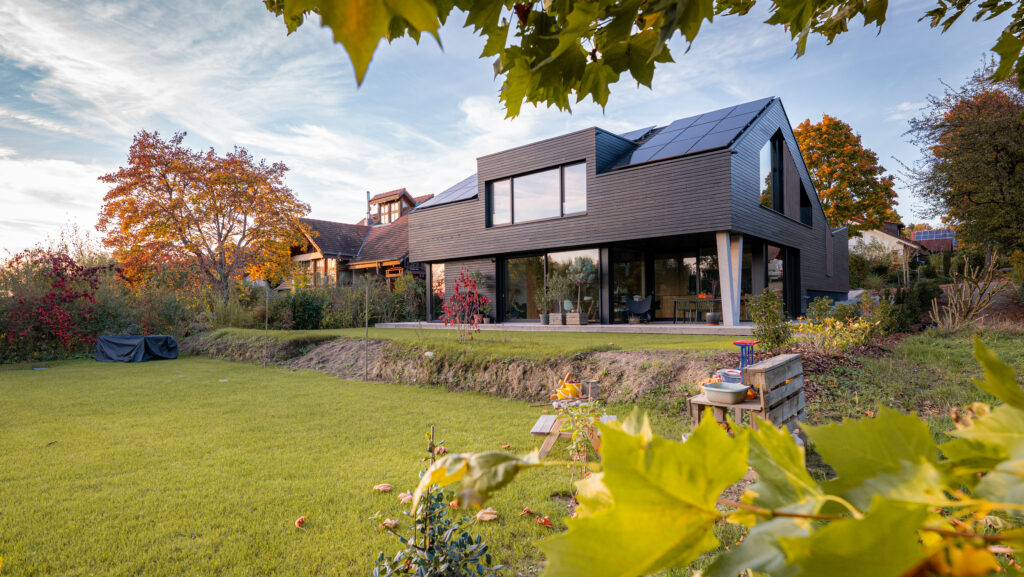
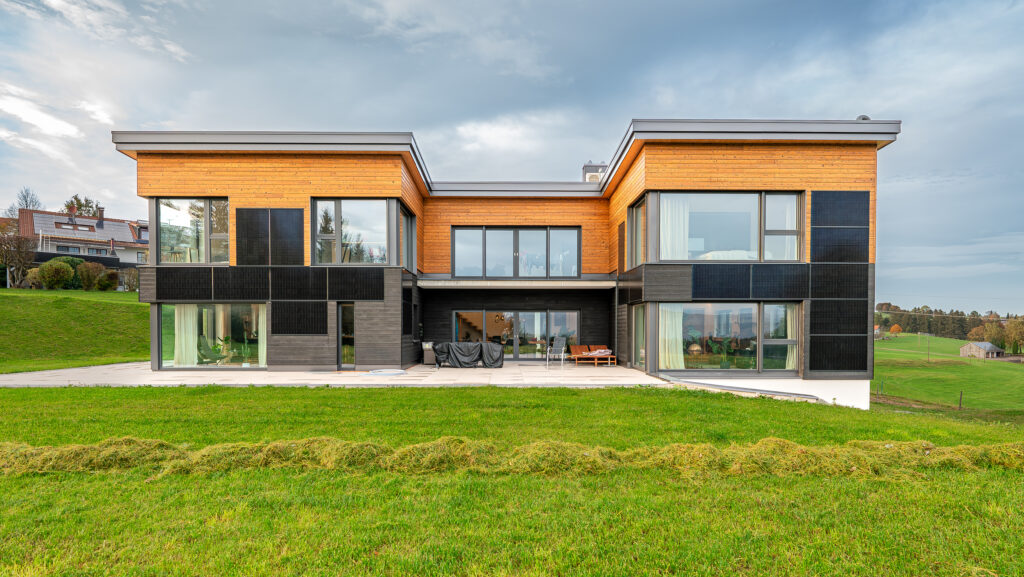
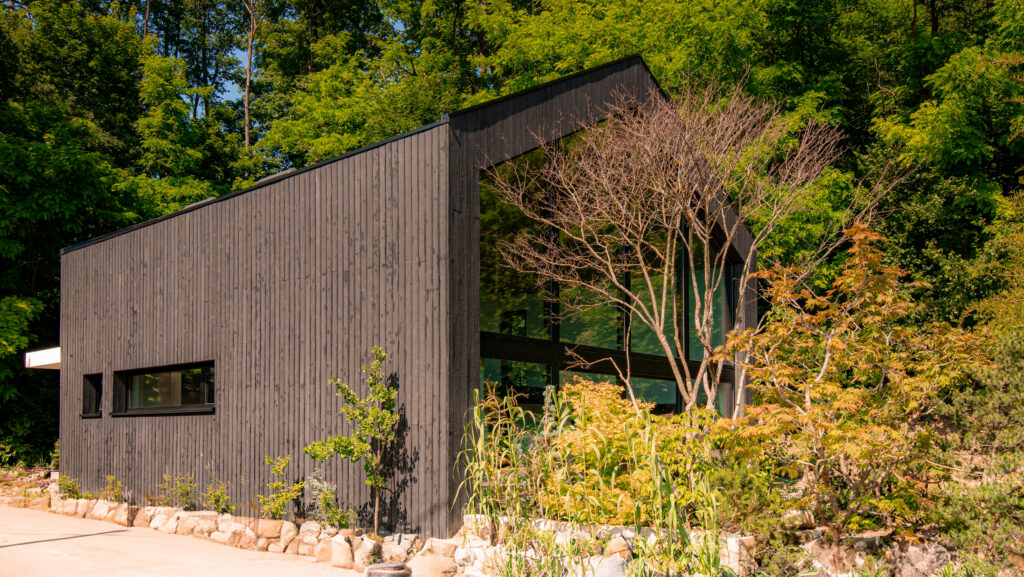
The exclusive aesthetics of charred wood siding convey powerful beauty and a natural appeal, while offering exceptional durability when treated correctly. Yakisugi, a traditional Japanese charred wood cladding material, combines a striking appearance with remarkable longevity. The process involves charring the surface of the wood, creating a carbonised layer that can help protect it against moisture, insects, and other environmental influences.
Charred wood siding stands out significantly from conventional siding solutions in Europe. Its distinctive texture, rich tones, and natural character have captured the attention of architects worldwide, including contemporary Japanese architect and designer Terunobu Fujimori, who is renowned for his innovative use of traditional materials and building techniques.
Choosing Yakisugi cladding gives your property a distinctive and enduring finish, combining natural materials with timeless Japanese craftsmanship.
Benefits of Charred Wood Siding
Durable and Low-Maintenance Design Statement
In Europe, this traditional approach to wood cladding remains relatively uncommon, making it an appealing choice for those seeking a distinctive and timeless look for their property.
Beyond its striking appearance, charred wood features a unique texture and a carbonised surface that can help improve its resistance to moisture and environmental wear.
Thanks to the traditional heat treatment, Yakisugi is resistant to rot and thus achieves exceptional weather resistance without any additional protective coating. It effortlessly defies the most adverse conditions, be it humidity, moisture, extreme heat, or frost.
Yakisugi is characterised by its remarkable durability. Sugi (Japanese cedar) is by nature superior in durability compared to conventional European cladding timber. The heat treatment adds further decades of years to this natural durability: there are numerous buildings in Japan with Yakisugi façades which are over 80 years old and have lost nothing of their beauty and functionality.
The Nakamoto Forestry family business has been producing Yakisugi in Japan for over 60 years. Our forests are PEFC/SGEC-certified (JIA-022 / CEFC 1901); Nakamoto Forestry Europe holds PEFC Chain of Custody certification (TÜV Nord 44 702 200728).
The cedar timber used for our Yakisugi come from our own forest stands and are selected with the utmost care. The burning process, which has been refined over decades, is continuously developed to offer you outstanding quality for your building project.
Our Yakisugi is the Japanese original, made from Japanese cedar and burned exclusively in Japan. The Nakamoto family has been active in wood production for over one hundred years and has been refining the boards from its own production using the traditional method for more than 60 years.
Charred wood in Yakisugi Style
The Japanese Original
Our charred wood is perfect for those who seek nothing but the original from Japan. Nakamoto Forestry, a family-run business, uses only genuine Japanese cedar (Sugi). Compared with conventional cladding woods from Europe, Sugi offers several natural advantages: it is lightweight, dimensionally stable, naturally durable, and virtually resin-free. The traditional charring process requires no chemical treatments or solvents to protect the wood.
Combining a renewable raw material with natural durability and a production process that avoids chemical treatments, our charred wood cladding offers a considered choice for more sustainable building.
Nakamoto Forestry Europe holds PEFC Chain of Custody certification (TÜV Nord 44 702 200728). According to our Environmental Product Declaration (EcoLeaf, Type III, ISO 14025, no. JR-BC-2001E), the production of our Yakisugi generates 2.1 kg CO₂ equivalent per m². Separately, the timber stores approximately 15 kg CO₂ equivalent per square metre for as long as it remains in place.
Its timeless design will continue to appeal to homeowners and their guests for decades to come.
Order your Yakisugi charred wood siding!
Comprehensive Advice for Your Charred Siding Project
We pride ourselves on delivering short lead times and the highest quality in both our products and customer service.
Contact us for an initial consultation about your new charred wood siding.
Our Yakisugi (Shou Sugi Ban) products
Overview of our Yakisugi varieties
SUYAKI
The original yakisugi
Suyaki is the original Yakisugi surface – and the most striking. The charring process leaves a deep midnight-black layer with a distinctive cracked texture that some compare to alligator skin. A bold statement for projects that demand attention.
GENDAI
brushed once
Gendai is brushed once after charring, removing most of the soot layer while preserving the subtle traces of the firing process. The result is a silky, refined finish that works with almost any architectural concept.
PIKA-PIKA
brushed twice
Pika-Pika – a Japanese word for something that catches the light – is brushed twice along the grain, revealing the cedar’s natural colours in full. Warm tones contrast with the remnants of the soot layer that cling to the knots and grooves.
Get Inspired by Our Charred Wood Reference Projects:
- All
- Gendai
- Pika-Pika
- Suyaki
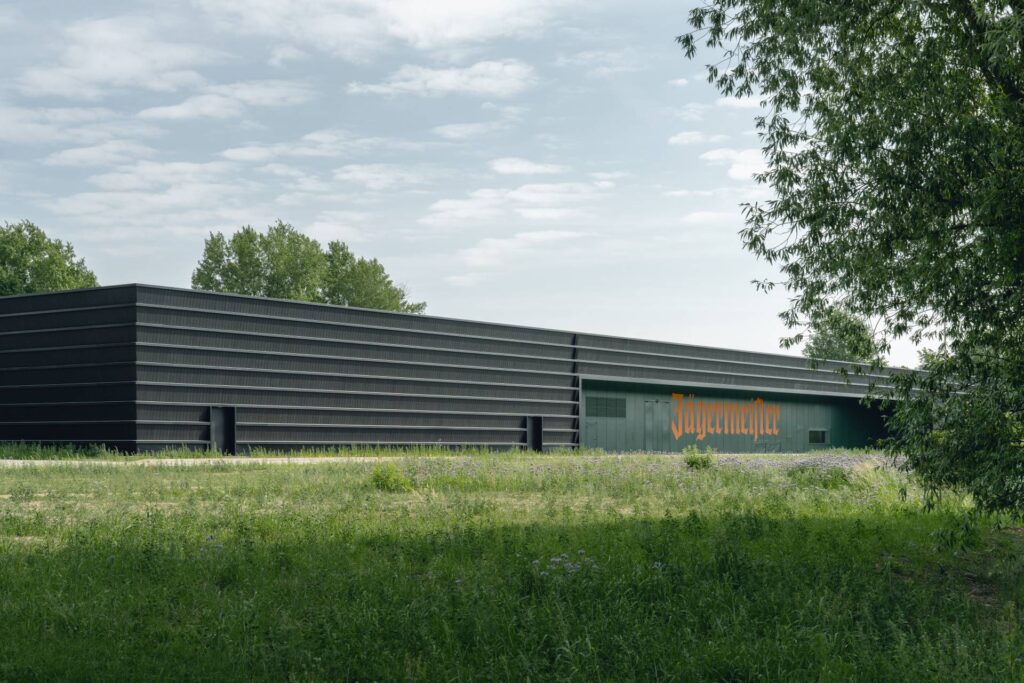
GENDAI | Jägermeister new barrel warehouse
GENDAI | Urban Cube Regensburg
Gendai | Havel Residence
SUYAKI | Stadthaus Berlin
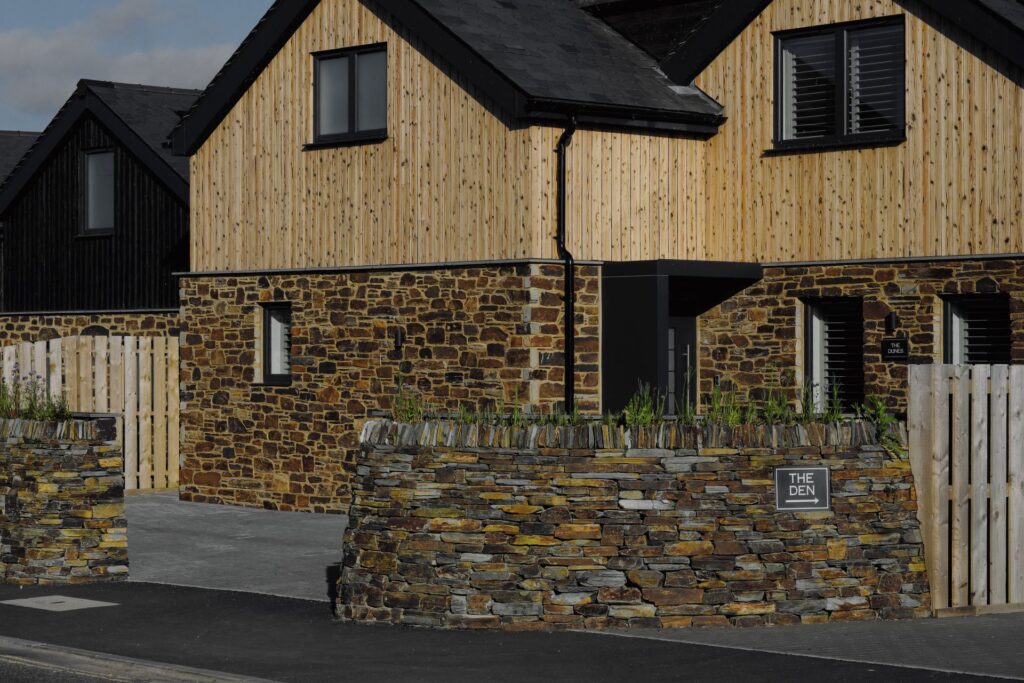
GENDAI | PIKA-PIKA | Cornwall Leverlake Houses
GENDAI | PIKA-PIKA | W Residence
SUYAKI | Sweden West Coast House
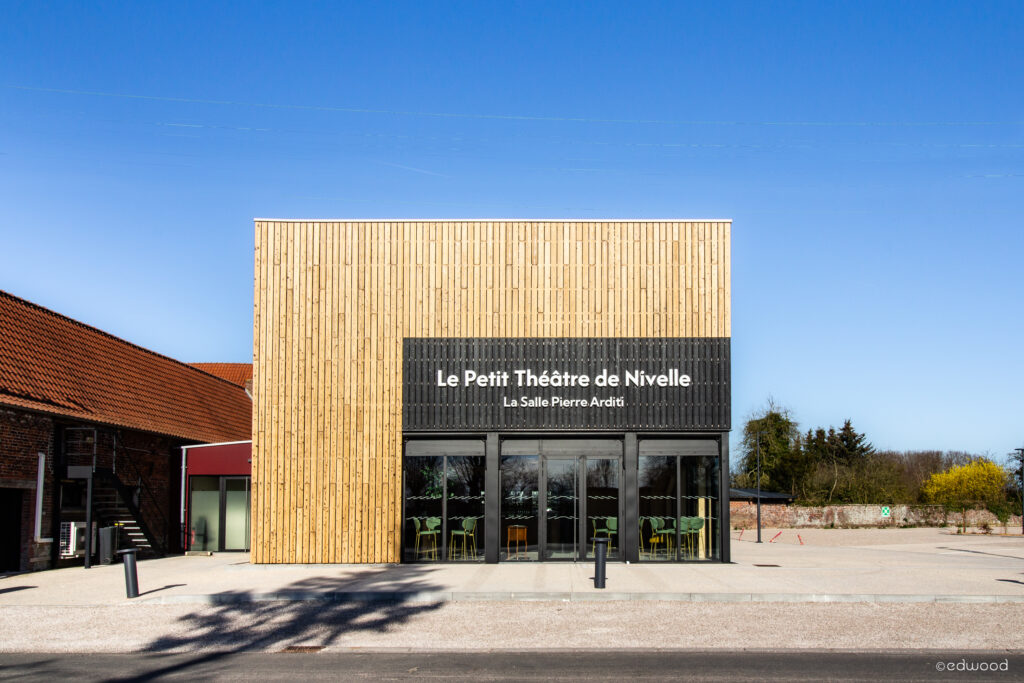
PIKA-PIKA | Theatre de Nivelle
GENDAI | Trubach Residence
GENDAI | Ortenau House
SUYAKI | PIKA-PIKA | Allgäu foothills residence
SUYAKI | Augsburg Retreat
SUYAKI | Thurgau Residence
GENDAI | Odenwald Country House
SUYAKI | Black Box
GENDAI | Ammerbuch Residence
GENDAI | Viro house in Galicia
SUYAKI | Ardennes Residence
GENDAI | Lyon Residence
GENDAI | Crematorium Rees
SUYAKI | Komorebi House
SUYAKI | Detached Forest House
PIKA-PIKA | Nordic Residence
GENDAI | PIKA-PIKA | Mountain Pool House
GENDAI | PIKA-PIKA | Wine Estate Georg Breuer
GENDAI | Burgenland House
SUYAKI | Regensburg Garage
SUYAKI | Rice Paddy House
GENDAI | Frankfurt House
EU (English)
DE (Deutsch)
FR (Français)

UK (English)